Green Infrastructure Planning, Construction & Maintenance Course Descriptions
Green Infrastructure Training
Course Objective:
This program outlines the range of "Green" possibilities available in Infrastructure. Special consideration has been given to urban variables, such as scale, age, and proximity. Consideration has also been given to the type of infrastructure work addressed in order to illustrate practices that promise the most benefits.
It is for those involved in Infrastructure planning, design, construction and maintenance. After completing this course you will be able to:
•Assess sites and identify opportunities to implement Best Management Practices (BMP’s)including soil testing, hydrologic analysis, vegetation assessment, and invasive species evaluation
•Have working knowledge of a template for design and implementation of Green Building concepts applicable to cities and municipalities.
•Understand pavement lifecycles, pervious vs. impervious pavement, albedo or reflectivity of pavement, pavement materials, devising a materials program, and different material applications.
•Understand mechanisms to affect right-of-way construction by private utilities, technology to minimize pavement damage and degradation, and the upgrades to utility installation and maintenance.
•Understand integrated stormwater management planning, water pollution prevention, construction runoff prevention, surface pre-treatments for filtering runoff, catch basin inserts and water quality inlets, detention and infiltration structures, and constructed wetlands.
•Understand construction practices such as site protection, plan development, protecting water sources and planted areas, developing waste management and recycling plans, and minimizing construction and recycling impacts.
Course Topics:
This program includes the following modules to give the student a complete overview of Green
Infrastructure Guidelines:
•Green Infrastructure 1: Introduction to High Performance Guidelines
•Green Infrastructure 2: Best Practices for Site Assessment
•Green Infrastructure 3: Best Practices for Streetscape
•Green Infrastructure 5: Best Practices for Utilities
•Green Infrastructure 6: Best Practices for Stormwater Management
•Green Infrastructure 7: Best Practices for Landscape
•Green Infrastructure 8: Best Practices for Construction Practices
Green Infrastructure Training
Course Description:
This 3-hour online course gives you the information and action items to assess sites and identify opportunities to use Best Management Practices (BMPs) in “Green” planning, design and construction. You'll get:
•Integrated stormwater management planning
•Water pollution prevention
•Construction runoff prevention
•Surface pretreatments for filtering runoff
•Catch basin inserts and water quality inlets
•Detention and Infiltration structures
•Constructed wetlands
Green Infrastructure Training
Course Description:
This 3-hour online course gives you the information and action items to assess sites and identify opportunities to use Best Management Practices (BMPs) in “Green” planning, design and construction. You'll get:
•Citywide landscape planning
•Maintaining and enhancing biodiversity and ecology
•Landscapes capable of high rates of stormwater absorption, infiltration, and treatment
•Tree planting for quantity, density and diversity
•Turfgrass reduction
•Plant selection
•Designing water-efficient landscapes
•Pest Management
Green Infrastructure Training
Course Description:
This course is one of an eight course series on Green Infrastructure that provides a template for design and implementation of Green Building concepts as they apply to cities and municipalities.
This 3hr online course gives you the information and action items to assess sites and identify opportunities to use Best Management Practices (BMPs) in “Green” planning, design and construction. You'll get:
•Pavement lifecycle
•Pervious vs. impervious pavement
•Albedo or Reflectivity of pavement
•Pavement materials
•A materials program
•Material applications
Green Infrastructure Training
Course Description:
Infrastructure is the complex, interdependent system that supports our way of life. You can take advantage of a wide range of opportunities to build and re-build a "Green" Infrastructure - if you have the right template. This course is one of an eight course series on Green Infrastructure that provides a template for design and implementation of Green Building concepts applicable to cities and municipalities.
Green Infrastructure Training
Course Description:
This online course is the second in the series and gives you the information and action items for assessing sites and identifying opportunities to implement Best Management Practices (BMPs) in "Green" planning, design and construction.Topics covered are:
•Soil testing
•Hydrologic and hydraulic analysis
•Vegetation assessment, preservation and transplantation
•Invasive species evaluation
Green Infrastructure Training
Course Description:
This online course gives you the information and action items for assessing sites and identifying opportunities to implement Best Management Practices (BMPs) in “Green” planning, design and construction. You'll get:
•Mechanisms to affect right-of-way construction by private utilities
•Technology to minimize pavement damage and degradation
•Upgrades to utility installation and maintenance
Green Infrastructure Training
Course Description:
This 1-hour online course gives you the information and action items to assess sites and identify opportunities to use Best Management Practices (BMPs) in “Green” planning, design and construction. You'll get:
•Site Protection
•Plan development
•Protecting water sources and planted areas
•Developing waste management and recycling plans
•Minimizing construction and equipment impacts
Managing Wet Weather with Green Infrastructure from EPA
Green infrastructure is an approach to wet weather management that is cost-effective, sustainable, and environmentally friendly. Green Infrastructure management approaches and technologies infiltrate, evapotranspire, capture and reuse stormwater to maintain or restore natural hydrologies. See examples of green infrastructure and design approaches.
At the largest scale, the preservation and restoration of natural landscape features (such as forests, floodplains and wetlands) are critical components of green stormwater infrastructure. By protecting these ecologically sensitive areas, communities can improve water quality while providing wildlife habitat and opportunities for outdoor recreation.
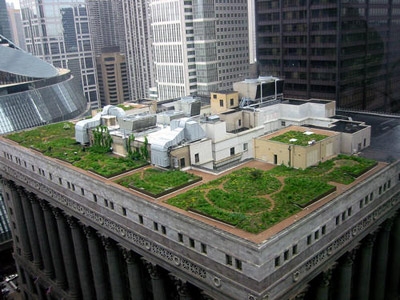
On a smaller scale, green infrastructure practices include rain gardens, porous pavements, green roofs, infiltration planters, trees and tree boxes, and rainwater harvesting for non-potable uses such as toilet flushing and landscape irrigation
Green Infrastructure - An adaptable term used to describe an array of products, technologies, and practices that use natural systems – or engineered systems that mimic natural processes – to enhance overall environmental quality and provide utility services. As a general principal, Green Infrastructure techniques use soils and vegetation to infiltrate, evapotranspirate, and/or recycle stormwater runoff. When used as components of a stormwater management system, Green Infrastructure practices such as green roofs, porous pavement, rain gardens, and vegetated swales can produce a variety of environmental benefits. In addition to effectively retaining and infiltrating rainfall, these technologies can simultaneously help filter air pollutants, reduce energy demands, mitigate urban heat islands, and sequester carbon while also providing communities with aesthetic and natural resource benefits.
Green Infrastructure and Green Communities
Linking Landscapes and Communities Ten Principles of Green Infrastructure
1.Connectivity is the key.
2.Context Matters.
3.Green infrastructure should be grounded in sound science and land-use planning theory and practice
4.Green infrastructure can and should function as the framework for conservation and development.
5.Green infrastructure should be planned and protective before development.
6.Green infrastructure is a critical public investment that should be funded up front.
7.Green infrastructure affords benefits to nature and people.
8.Green infrastructure respects the needs and desires of landowners and other stakeholders.
9.Green infrastructure requires making connections to activities within and beyond the community.
10.Green infrastructure requires long-term commitment.
Green infrastructure can be defined in many ways. In its broadest application, green infrastructure encompasses an "interconnected network of natural areas and other open spaces that conserves natural ecosystem values and functions, sustains clean air and water, and provides a wide array of benefits to people and wildlife".
Green infrastructure is a strategic conservation tool that can be integrated into a comprehensive, Green Communities planning process. In fact, Green Infrastructure planning is compatible with a 5-step planning approach as described below. Key to the success of a Green Infrastructure Strategy is broad stakeholder involvement. As with any sustainable planning effort, getting knowledgeable and interested parties involved at the beginning will ensure a successful process.
Check out the environmental News.
Definitions of Green infrastructure on the Web:
- Green Infrastructure is a concept originating in the United States in the mid-1990s that highlights the importance of the natural environment in decisions about land use planning. ...en.wikipedia.org/wiki/Green_infrastructure
- An adaptable term used to describe an array of products, technologies, and practices that use natural systems – or engineered systems that mimic natural processes – to enhance overall environmental quality and provide utility services. ...
- www.epa.gov/oaintrnt/glossary.htm
- “Green Infrastructure is our nation's natural life support system – an interconnected network of waterways, wetlands, woodlands, wildlife habitats and other natural areas; greenways, parks and other conservation lands; working farms, ranches and forests; and wilderness and other open spaces that ...ldm.agriculture.purdue.edu/Pages/Resources/Gloss.html
- areas covered with trees, shrubs and grass. Green infrastructure is porous, allowing rain to soak into soil, which recharges ground water and naturally filters pollutants before entering rivers.urbanforest.dehort.org/glossary
- the ecological processes, both natural and engineered, that act as the natural infrastructure. It includes ditches, creeks, wetlands, parks, open space, trees, green roofs, gardens, working lands, aquifers and watersheds that supply drinking water.www.wcel.org/issues/urban/sbg/glossary/
- The open environment within urban areas, the urban fringe and the countryside. It is a network of connected, high quality, multi-functional open spaces, corridors and the links in between that provide multiple benefits for people and wildlife. Also see Greening. mayor.london.gov.uk/london-plan-eip/docs/glossary.rtf
- Green infrastructure refers to natural systems that capture, cleanse and reduce stormwater runoff using plants, soils and microbes. ...elksrunwatershed.org/Glossary.aspx
States Served:
Alabama Ala. AL
Alaska Alaska AK
American Samoa AS
Arizona Ariz. AZ
Arkansas Ark. AR
California Calif. CA
Colorado Colo. CO
Connecticut Conn. CT
Delaware Del. DE
Dist. of Columbia D.C. DC
Florida Fla. FL
Georgia Ga. GA
Guam Guam GU
Hawaii Hawaii HI
Idaho Idaho ID
Illinois Ill. IL
Indiana Ind. IN
Iowa Iowa IA
Kansas Kans. KS
Kentucky Ky. KY
Louisiana La. LA
Maine Maine ME
Maryland Md. MD
Marshall Islands MH
Massachusetts Mass. MA
Michigan Mich. MI
Micronesia FM
Minnesota Minn. MN
Mississippi Miss. MS
Missouri Mo. MO
Montana Mont. MT
Nebraska Nebr. NE
Nevada Nev. NV
New Hampshire N.H. NH
New Jersey N.J. NJ
New Mexico N.M. NM
New York N.Y. NY
North Carolina N.C. NC
North Dakota N.D. ND
Northern Marianas MP
Ohio Ohio OH
Oklahoma Okla. OK
Oregon Ore. OR
Palau PW
Pennsylvania Pa. PA
Puerto Rico P.R. PR
Rhode Island R.I. RI
South Carolina S.C. SC
South Dakota S.D. SD
Tennessee Tenn. TN
Texas Tex. TX
Utah Utah UT
Green infrastructure planning, Green infrastructure construction, Green infrastructure maintenance. Green infrastructure training. Green infrastructure certification program. Green infrastructure landscape, Green infrastructure pavement, Green infrastructure streetscape, Green infrastructure utilities