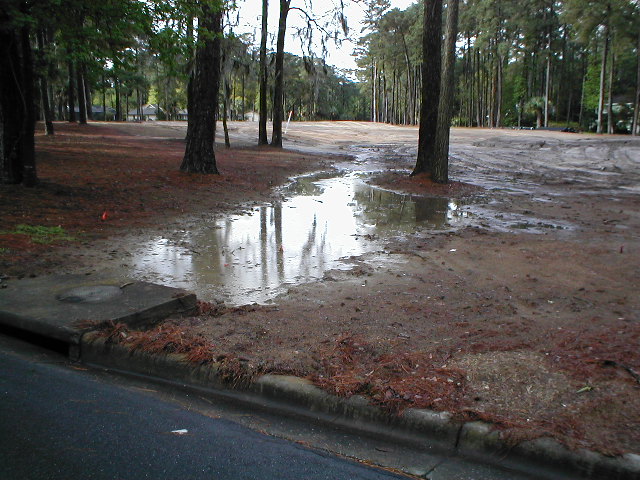
Stormwater Management Training Course Descriptions
COURSE NAME:
Stormwater Management During Construction
CATEGORY:
Construction & Environmental
COURSE DESCRIPTION:
This course has been developed for the Erosion Control Supervisor Responsible for the proper installation, maintenance and inspection of Best Management Practices (BMPs) for the control of erosion and sedimentation at construction sites.
LEARNING OBJECTIVES:
•Describe the process of erosion and sedimentation
•Describe the installation requirements for BMPs for erosion and sediment control
•Describe BMPs to control sources of pollution on construction sites
•List the duties of the Erosion Control Supervisor
TOPICS COVERED:
•Regulatory Requirements
•The Problem of Erosion and Sedimentation
•Best Management Practices for Erosion Control
•Best Management Practices for Sediment Control
•Materials Handling and Waste Management
REGULATORY REQUIREMENT:
Please see the state/regulatory requirement from the course catalog page.
SEAT TIME:
This course has been approved for 8 hours.
COURSE PRE-REQUISITE:
N/A
TESTING:
Quizzes - All quizzes must be passed with a 100% to proceed forward to the next lesson.
Final Exam- Final Exam must be passed with a 70% to pass the course. The final exam can be taken three times if necessary.
Approved Course Number(s):
DW/DS/WW2295
DW/WW2295
This course covers federal and state regulations to control and prevent stormwater discharge. Stormwater discharges are generated by runoff from land and impervious areas such as paved streets, parking lots, and building rooftops during rainfall and snow events that often contain pollutants in quantities that could adversely affect water quality. Federal and state storm water regulations require industrial facilities to take steps to prevent storm water pollution.
All stormwater permits require the development and implementation of minimum control measures (for MS4 stormwater permits) and best management practices (for industrial stormwater permits). Consequently, this course also discusses procedures required for NPDES permit and pollution prevention plans.
Learning Objectives:
At the conclusion of this course, the student will be able to:
•Describe the EPA construction general permit requirements
•Identify sources of stormwater discharge from industrial facilities
•Describe the EPA multi-sector general permit (MSGP)
•Discuss the impact of Municipal Separate Storm Sewer System (MS4) permits on municipalities and industrial facilities
•Describe the phases of and exclusions from the NPDES stormwater program
•Identify the components and benefits of the national menu of Best Management Practices (BMPs) to reduce and eliminate stormwater pollution including public education, public involvement, illicit discharge detection and elimination, construction, post-construction, and pollution prevention/good housekeeping
•Discuss stormwater best practice case studies
Quiz Info:
•Five questions at the end of each lesson
•No mastery required
Final Exam Info:
•20 questions
•50% passing score
Course Description:
This 3-hour online course gives you the information and action items to assess sites and identify opportunities to use Best Management Practices (BMPs) in “Green” planning, design and construction. You'll get:
•Integrated stormwater management planning
•Water pollution prevention
•Construction runoff prevention
•Surface pretreatments for filtering runoff
•Catch basin inserts and water quality inlets
•Detention and Infiltration structures
•Constructed wetlands
What is Storm Water Pollution?
Stormwater can provide a toxic discharge which can enter into a lake, river or coastal water system. As storm water flows or snow melts, it picks up debris, chemicals - such as fertilizers and pesticides - dirt, willdlife excrement, cigarette butts and other pollutants. This stormwater is usually discharged to a lake, stream, river, creek, wetland, or coastal water, potentially polluting our fresh drinking water supply with a variety of harsh hazardous elements.
Oxygen-robbing runoffs such as phosphorous and nitrogen can choke the life from fresh water lakes.
Stormwater is funneled directly from stormdrain systems into our waterways with no treatment..
Stormwater run off from a construction project is another problem source.
What problems does stormwater cause?
- Prevents groundwater recharge: Stormwater runs off, instead of seeping into the ground and recharging natural ground water aquifers that people depend on for drinking water and stream recharge.
- Human health: Stormwater picks up bacteria, chemicals and pathogens that can cause illness. In areas with combined sewer systems, it can also overwhelm water treatment systems, causing raw sewage overflows.
- Aquatic wildlife health: The health of fish, aquatic birds and other marine animals is threatened by nutrient-laden stormwater, which causes bay-choking algae growth and low levels of dissolved oxygen, and erosion and sedimentation that can destroy aquatic habitat.
- Recreation: Swimming, fishing and boating on local water bodies can be dangerous and unpleasant due to pollution. In Washington, D.C., swimming in all rivers and streams is illegal due to stormwater pollution
- Aesthetics: Physical characteristics of water bodies, such as color and smell, can be affected by stormwater pollution, and litter from streets is carried directly into lakes and streams by the storm drain system.
- Increased volume and velocity: Stormwater volume increases can overwhelm stormwater systems, resulting in flooding, sewage releases, and property damage, and in conjunction with increased velocity, results in streambed erosion and large sediment deposits.
- Increased temperature: Impervious surfaces warm the stormwater running off them, affecting stream biology, physiology and aquatic life, which are highly sensitive to temperature changes
- Erosion: One of the worst results of increased volume and velocity is erosion. Erosion not only results in property and stream bed damage, it also can result in loss of fish and wildlife habitat and reduced water quality and clarity from down stream deposits of the eroded soil.
Stormwater
Urban runoff entering a storm drainStormwater is a term used to describe water that originates during precipitation events. It may also be used to apply to water that originates with snowmelt or runoff water from overwatering that enters the stormwater system. Stormwater that does not soak into the ground becomes surface runoff, which either flows directly into surface waterways or is channeled into storm sewers, which eventually discharge to surface waters.
Stormwater is of concern for two main issues: one related to the volume and timing of runoff water (flood control and water supplies) and the other related to potential contaminants that the water is carrying, i.e. water pollution.
Contents
1 History
2 Stormwater pollution
3 Stormwater runoff as a source of pollution
4 Stormwater Management
5 Integrated water management
6 Regulation in the United States
6.1 Federal requirements
6.2 State and local requirements
6.3 Nonpoint source pollution management
History
Since the era that humans began living in concentrated village or urban settings, stormwater runoff has been an issue. Especially during the Bronze Age, housing took a more concentrated form, and impervious surfaces emerged as a factor in the design of early human settlements. Some of the early incorporation of stormwater engineering is evidenced in ancient Greece.[1]
An early specific example of stormwater runoff system design is found in the archaeological recovery at Minoan Phaistos on Crete.[2]
Stormwater pollution
Relationship between impervious surfaces and surface runoffBecause impervious surfaces (parking lots, roads, buildings, compacted soil) do not allow rain to infiltrate into the ground, more runoff is generated than in the undeveloped condition. This additional runoff can erode watercourses (streams and rivers) as well as cause flooding when the stormwater collection system is overwhelmed by the additional flow. Because the water is flushed out of the watershed during the storm event, little infiltrates the soil, replenishes groundwater, or supplies stream baseflow in dry weather.[3]
Pollutants entering surface waters during precipitation events is termed polluted runoff. Daily human activities result in deposition of pollutants on roads, lawns, roofs, farm fields, etc. When it rains or there is irrigation, water runs off and ultimately makes its way to a river, lake, or the ocean. While there is some attenuation of these pollutants before entering the receiving waters, the quantity of human activity results in large enough quantities of pollutants to impair these receiving waters.
Urban runoff
Stormwater runoff as a source of pollution
Urban runoff being discharged to coastal watersIn addition to the pollutants carried in stormwater runoff, research urban runoff is being recognized as a cause of pollution in its own right. In natural catchments (watersheds) surface runoff entering waterways is a relatively rare event, occurring only a few times each year and generally after larger storm events. Before development occurred most rainfall soaked into the ground and contributed to groundwater recharge or was recycled into the atmosphere by vegetation through evapotranspiration.
Modern drainage systems which collect runoff from impervious surfaces (e.g., roofs and roads) ensure that water is efficiently conveyed to waterways through pipe networks, meaning that even small storm events result in increased waterway flows.
In addition to delivering higher pollutants from the urban catchment, increased stormwater flow can lead to stream erosion, encourage weed invasion, and alter natural flow regimes. Native species often rely on such flow regimes for spawning, juvenile development, and migration.
In some areas, especially along the U.S. coast, polluted runoff from roads and highways may be the largest source of water pollution. For example, about 75 percent of the toxic chemicals getting to Seattle, Washington's Puget Sound are carried by stormwater that runs off paved roads and driveways, rooftops, yards, and other developed land.[4]
Stormwater Management
Stormwater filtration system for urban runoffManaging the quantity and quality of stormwater is termed, "Stormwater Management."[5] The term Best Management Practice (BMP) is often used to refer to both structural or engineered control devices and systems (e.g. retention ponds) to treat polluted stormwater, as well as operational or procedural practices. There are many forms of stormwater management and BMPs, including:
• manage stormwater to control flooding and erosion;
• manage and control hazardous materials to prevent release of pollutants into the environment (source control);
• plan and construct stormwater systems so contaminants are removed before they pollute surface waters or groundwater resources;
• acquire and protect natural waterways where they still exist or can be rehabilitated;
• build "soft" structures such as ponds, swales or wetlands to work with existing or "hard" drainage structures, such as pipes and concrete channels;
• revise current stormwater regulations to address comprehensive stormwater needs;
• enhance and enforce existing ordinances to make sure property owners consider the effects of stormwater before, during and after development of their land;
• educate a community about how its actions affect water quality, and about what it can do to improve water quality; and
• plan carefully to create solutions before problems become too great.[6]
Integrated water management
Rain garden designed to treat stormwater from adjacent parking lotIntegrated water management (IWM) of stormwater has the potential to address many of the issues affecting the health of waterways and water supply challenges facing the modern urban city.
Also known as low impact development in the United States, IWM has the potential to improve runoff quality, reduce the risk and impact of flooding and deliver an additional water resource to augment potable supply.
The development of the modern city often results in increased demands for water supply due to population growth, while at the same time altered runoff predicted by climate change has the potential to increase the volume of stormwater that can contribute to drainage and flooding problems. IWM offers several techniques including stormwater harvest (to reduce the amount of water that can cause flooding), infiltration (to restore the natural recharge of groundwater), biofiltration or bioretention (e.g., rain gardens) to store and treat runoff and release it at a controlled rate to reduce impact on streams and wetland treatments (to store and control runoff rates and provide habitat in urban areas).
There are many ways of achieving low impact development (LID). The most popular is to incorporate land-based solutions to handle stormwater runoff through the use of retention ponds, bioswales, infiltration trenches, sustainable pavements (such as pervious concrete), and others noted above. LID can also be achieved by utilizing engineered, manufactured products to achieve similar, or potentially better, results as land-based systems (underground storage tanks, stormwater treatment systems, biofilters, etc.). The proper LID solution is one that balances the desired results (controlling runoff and pollution) with the associated costs (loss of usable land for land-based systems versus capital cost of manufactured solution).
IWM as a movement can be regarded as being in its infancy and brings together elements of drainage science, ecology and a realization that traditional drainage solutions transfer problems further downstream to the detriment of our environment and precious water resources.
Regulation in the United States
Federal requirements
Retention basin for management of stormwaterIn the United States, the Environmental Protection Agency (EPA) is charged with regulating stormwater pursuant to the Clean Water Act (CWA).[7] The goal of the CWA is to restore all "Waters of the United States" to their "fishable" and "swimmable" conditions. Point source discharges, which originate mostly from municipal wastewater (sewage) and industrial wastewater discharges, have been regulated since enactment of the CWA in 1972. Pollutant loadings from these sources are tightly controlled and limited. However, despite these controls, thousands of water bodies in the U.S. remain classified as "impaired," meaning that they contain pollutants at levels higher than is considered safe by EPA for the intended beneficial use of the water. Much of this impairment is due to polluted runoff.
Under the CWA, point source discharges to "Waters of the United States" require National Pollution Discharge Elimination System (NPDES) permits. To address the nationwide problem of stormwater pollution, Congress broadened the CWA definition of "point source" in 1987 to include industrial stormwater discharges and municipal separate storm sewer systems ("MS4").[8] These facilities were required to obtain NPDES permits. This 1987 expansion was promulgated in two phases: Phase I and Phase II. Phase I required that all municipalities of 100,000 persons or more, industrial dischargers, and construction sites of 5 acres (20,000 m2) or more have NPDES permits for their stormwater discharges. Phase I permits were issued in much of the U.S. in 1991. Phase II required that all municipalities, industrial dischargers, construction sites of 1 acre (4,000 m2) or more, and other large property owners (such as school districts) have NPDES permits for their stormwater discharges. Phase II rules came into effect in 2003.
EPA issued a new Construction General Permit (CGP) in July 2008. This permit expires in 2011 and continues the provisions of the previous permit.[9] In December 2009 EPA issued new discharge standards, called effluent guidelines, for construction sites. These requirements set a new national minimum standard for erosion controls and sediment controls, and pollution prevention measures. The effluent guideline provisions will be incorporated into the next round of EPA and state general permits.[10]
In 2009 EPA also launched the website "Watershed Central" to allow concerned public to develop plans to protect local watersheds and combat stormwater pollution.[11]
State and local requirements
A silt fence, a type of sediment control, installed on a construction siteEPA has authorized 46 states to issue NPDES permits.[12] In addition to implementing the NPDES requirements, many states and local governments have enacted their own stormwater management laws and ordinances, and some have published stormwater treatment design manuals.[5][13] Some of these state and local requirements have expanded coverage beyond the federal requirements. For example, the State of Maryland requires erosion and sediment controls on construction sites of 5,000 sq ft (460 m2) or more.[14]
Nonpoint source pollution management
Agricultural runoff (except for concentrated animal feeding operations, or "CAFO") is considered by the CWA to be nonpoint source pollution. It is not included in the CWA definition of "point source" and therefore not subject to NPDES permit requirements. The 1987 CWA amendments established a non-regulatory program at EPA for nonpoint source pollution management consisting of research and demonstration projects. Related programs are conducted by the Natural Resources Conservation Service (NRCS) in the U.S. Department of Agriculture.
Further information: Agricultural wastewater treatment and Erosion control
Check out the environmental News.
States Served:
Alabama Ala. AL
Alaska Alaska AK
American Samoa AS
Arizona Ariz. AZ
Arkansas Ark. AR
California Calif. CA
Colorado Colo. CO
Connecticut Conn. CT
Delaware Del. DE
Dist. of Columbia D.C. DC
Florida Fla. FL
Georgia Ga. GA
Guam Guam GU
Hawaii Hawaii HI
Idaho Idaho ID
Illinois Ill. IL
Indiana Ind. IN
Iowa Iowa IA
Kansas Kans. KS
Kentucky Ky. KY
Louisiana La. LA
Maine Maine ME
Maryland Md. MD
Marshall Islands MH
Massachusetts Mass. MA
Michigan Mich. MI
Micronesia FM
Minnesota Minn. MN
Mississippi Miss. MS
Missouri Mo. MO
Montana Mont. MT
Nebraska Nebr. NE
Nevada Nev. NV
New Hampshire N.H. NH
New Jersey N.J. NJ
New Mexico N.M. NM
New York N.Y. NY
North Carolina N.C. NC
North Dakota N.D. ND
Northern Marianas MP
Ohio Ohio OH
Oklahoma Okla. OK
Oregon Ore. OR
Palau PW
Pennsylvania Pa. PA
Puerto Rico P.R. PR
Rhode Island R.I. RI
South Carolina S.C. SC
South Dakota S.D. SD
Tennessee Tenn. TN
Texas Tex. TX
Utah Utah UT
Stormwater, stormwater management, erosion control, stormwater discharge, water resource management, rainwater, wastewater, erosion and sedimentation